Regulations
11.01.2023
|
Reading time4 min
European Digital Identity Wallet: risks and benefits
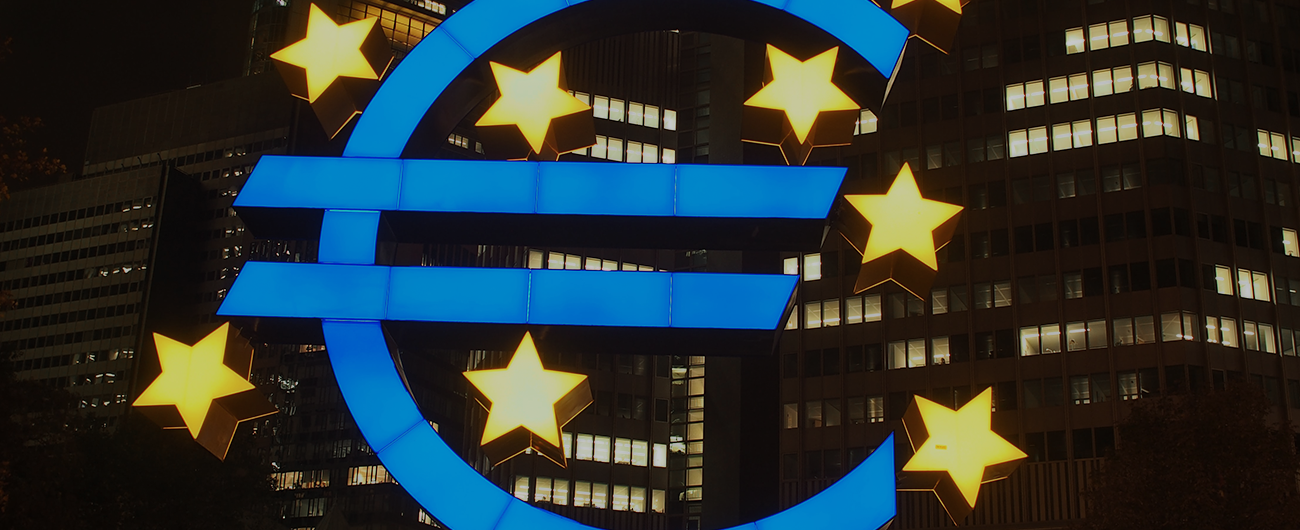
European digital identity creates curiosity and enthusiasm, but many aspects are still to be defined.
The implementation of the EUDI Wallet creates curiosity and enthusiasm, but risks and benefits must be taken into account to build a balanced ecosystem that is truly useful for citizens.

In this article you’ll discover:
With the start of 2023, a new important phase will begin for the implementation of the European Digital Identity Wallet. In December, the consortia that will work on the use cases were selected, and by the end of the year we will see the results of the large scale pilots.
However, there are still many points to clarify, causing no small concern among Italian identity providers: although the EUDI Wallet proposal has been welcomed across Europe with enthusiasm and curiosity, even the latest conference of the Digital Identity Observatory at Politecnico di Milano acknowledged both benefits and risks, describing the wallet’s implementation as an important turning point not only for the evolution of digital identities but also for the European digital market.
Here are the main benefits and risks of the European Digital Identity Wallet according to the industry companies that spoke at the conference.
The benefits
1) The proximity to the Self Sovereign Identity model
The EUDI Wallet will be a huge step forward for citizens’ privacy: its architecture respects almost all 10 principles of Self Sovereign Identity, the digital identity model whose goal is to give users complete control over the management and sharing of their data, based on the principle of selective disclosure. More security for citizens’ data, then, but not only that: even though digital identities can still be targeted by cyberattacks, the European Digital Identity Wallet will remain a huge step forward for security and for limiting identity theft.
2) More accessible trust services for citizens
The usefulness of the European wallet also lies in the ability to bring together, through a single access point, all the digital identity schemes present in Europe, making it easier for European public and private services to interoperate. For Qualified Trust Service Providers, too, it will therefore be easier to offer their trust services to all citizens, who will have access to electronic signatures, certified email (PEC) and much more.
3) A more innovative view of our identity
Among the benefits of the wallet, we can certainly include the possibility that it spreads a more contemporary understanding of our identity and the importance of protecting our data. Much of the population, in fact, is still not fully aware of the risks linked to the uncontrolled spread of our information and of what can be done to protect against identity theft. Thanks to the identity wallet and the ability to select exactly which information to share and when, the hope is that citizens will become more aware of this aspect too.
The risks
1) The loss of value of national digital identity systems
It will be essential to find the right integration between the European Digital Identity Wallet and the government digital identities already in place and used in the various European countries: the risk, in fact, is that the European wallet may make obsolete, or fail to take into account, the digital identities that are already present and actually used by citizens, effectively wiping out years of economic investment by governments and private entities, as well as all the work done so far to raise awareness about the importance and use of these tools.
2) The absence of private players in the ecosystem
The presence of private players in the wallet ecosystem cannot be taken for granted, quite the opposite. In Italy, this is clearly visible in the number of private service providers for SPID and CIE, which is still limited compared to its potential. Private sector involvement in the EUDI Wallet will need to be encouraged through a well-defined, two-way business model, essential for increasing the number of services accessible via the wallet and, in turn, driving its adoption.
3) Competition from Big Tech
Big tech companies have already been working for some time on a wallet-based approach, especially in digital payments, and have on their side technological capabilities, enormous investment capital, and near-total control of the mobile devices in use. If not contained and anticipated, this advantage could “penalize” the EU’s autonomy in defining the ecosystem, infrastructure, framework and data security of the EUDI Wallet.
In conclusion, while the implementation of the EUDI Wallet has rightly generated enthusiasm and curiosity, it will be important to proceed rationally, taking these risks into account, with the goal of building a balanced ecosystem that is, above all, useful for citizens.
Discover the solutions for your company’s digital transformation:
Browse categories
You might be interested in

Regulations
25.09.2026
What changes with the REM (or European PEC) in 5 points
PEC is destined to disappear to make way for REM, a Qualified Electronic Delivery Service (SERCQ) as required by the European eIDAS regulation. Here is…

Regulations
16.09.2026
eIDAS 2.0: digital identity as a competitive advantage for financial institutions
For financial institutions, eIDAS 2.0 and the EU Digital Identity Wallet offer a concrete opportunity: transforming digital identity from a compliance requirement into a competitive…

Regulations
06.09.2026
eIDAS 2.0 implementing acts: where we stand and what changes for businesses
Over 30 implementing acts adopted, the three July 2026 updates already in force and just over two months to the first major deadline. The eIDAS…